

By Doug Riseden
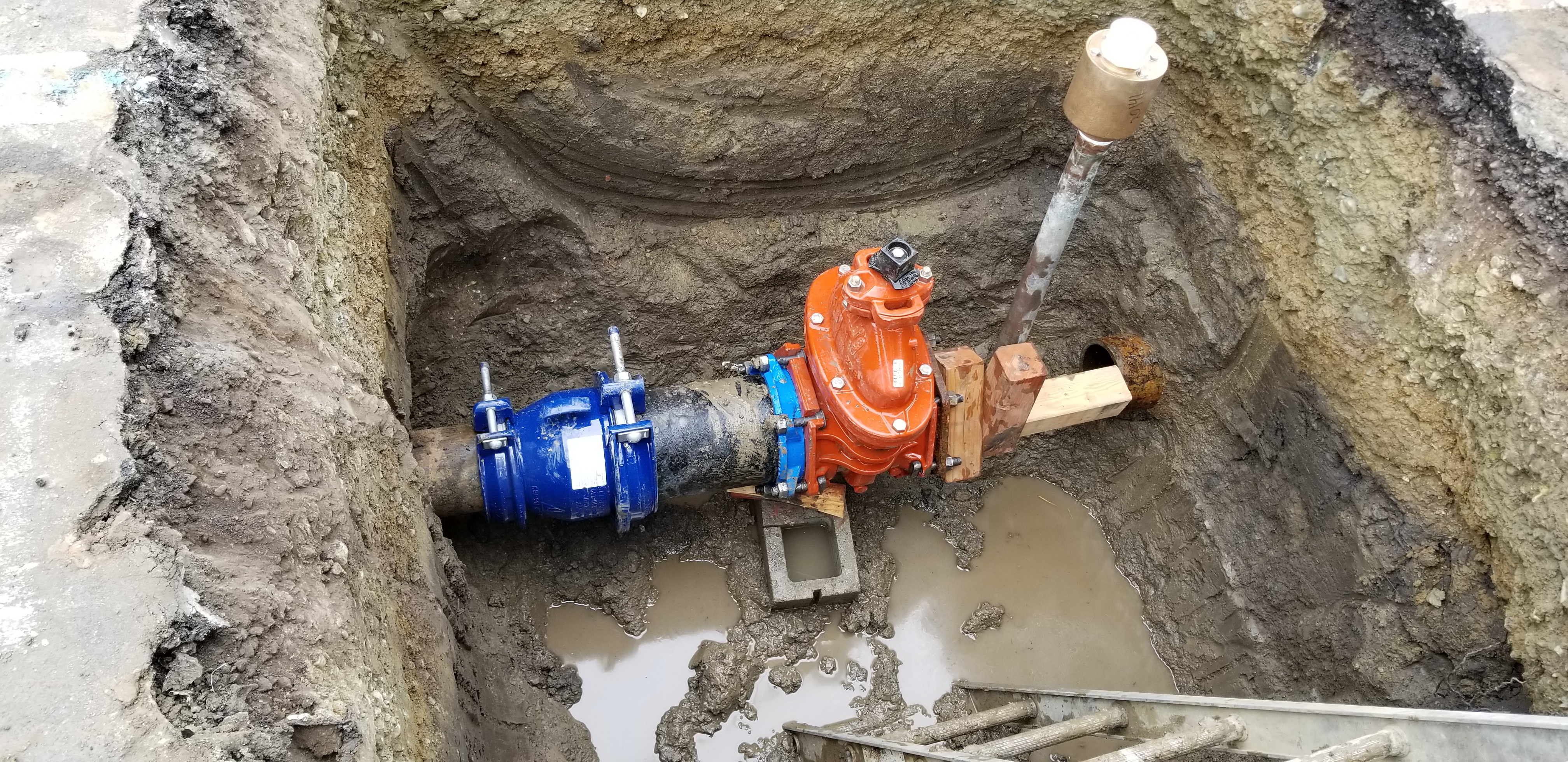 Utility lines for electricity, phone, cable TV and many others are increasingly being buried underground, making repairs to water pipelines more and more complicated. While putting lines in the ground helps protect utilities from storms and for aesthetic reasons, it means that there is a lot to avoid while utilities and contractors do their jobs. Statistics show that on average there are more than 300,000 incidents each year related to utilities being struck during repairs and installation of new services in the water and wastewater industry. These incidents cause millions of dollars in terms of costs incurred by lost time, damages, loss of service, and loss of fire suppression services. Not long ago, workers building a new section of I-4 in Orlando, Florida struck a natural gas line. The ensuing excavation and repair closed this busy East-West corridor for over 12 hours, causing serious delays and closures of local businesses. As you could imagine, there was a lot of anger from the travelling public and businesses seeking damages.
Here’s a list of things to do to ensure that you stay safe and minimize the chances of causing damage during excavation.
- Call 811
- Take Notes and Pics
- Use the Right Tools
- Communicate with Other Utilities
CALL 811
811 is nationwide service that will give you all the information you need to make a request to locate pipes and other underground infrastructure. When you call 811, you can find out if it’s safe to dig with requests usually completed within two to three days, and a locate lasting 30 days. This process can also be done online – simply google 811 with your state and the appropriate website will most likely be at the top of the search.
Make sure that you wait for the locate to be completed before you dig – it’s the law. Almost all utilities are a member of 811 and will be willing to come to your dig to help ensure that their utilities don’t get hit. In case of an emergency repair, it is also critical to call 811 before you start. The staff can quickly provide info and provide service around the clock. If you uncover an issue or hit a utility line during a dig, 811 staff have contact information to reach the right people at any time to help find someone who can make the repair. You might have to pay the repair costs depending on many factors but regardless, the repair must be made and can’t be ignored. Be responsible!
SIDE BAR – COLOR CODES FOR MARKINGS
This is a legend of color codes that you will find on the ground indicating the location of utilities.
Red: Electric power lines, cables, conduit and lighting cables.
Orange: Telecommunication, alarm or signal lines, cables or conduit.
Yellow: Natural gas, oil, steam, petroleum or other gaseous or flammable material.
Green: Sewers and drain lines.
Blue: Drinking water.
TAKE NOTES AND PICS
Make sure that you take plenty of pictures before, during and after the excavation is done. Note the locate marks and flags prior to digging but keep in mind that occasionally the actual location of the utility and the marks are very different. Take pictures of where lines are actually located. Is the natural gas line underneath the water line or next to it? Gas lines have a minimum bury depth of 24 inches, while water has a 36-inches minimum bury depth. However, it’s not uncommon to find some strange things in the trench, such as lines that cross over top of yours at intersections or T’s.
Take lots of notes and use them to update your utility maps, and educate other workers and management. Take the time to help your employer and your utility become a better and safer place to work!
USE THE RIGHT TOOLS
How are you going to excavate the area around the repair?
Be sure to choose the right tools for your excavation. Vacuum (or vac) trucks or trailers are the go-to tools for both identifying other utilities and safely excavating the area you need to work in. Some companies now make vac units specifically for excavation. There will be exceptions, mostly for new construction when you could use backhoes and mini-excavators.
In every other case, however, the ground has been previously disturbed so a vac unit will be the best, safest and most economical way to go.
Using a probe while looking for other utilities during your dig is necessary but be careful. Use your experience and common sense when probing for utilities to avoid lines being struck.
COMMUNICATE WITH OTHER UTILITIES
With so many utilities now in the ground, the issue of other utilities attempting to make their repairs at the same time happens more frequently and has resulted in many changes – including the need to schedule repairs, new businesses being formed to located utilities, and 811 laws. Look to have a representative of a specific utility on site to assist your dig. If you’re the utility that is required to be on-site, this will be time well spent and it will pay to be patient. An ounce of prevention is worth a pound of cure, and a little precaution before a crisis is better than a huge repair afterwards.
Get to know the other utility companies in your area and consider having monthly or quarterly meetings to discuss issues, and ongoing or future projects.
Use the photos and notes from your previous repairs to point out issues and problems to other utilities. If you build friendships with these other folks, you will more likely be able to reach them after normal business hours (since this is when most of our emergencies take place).
And wouldn’t you be more willing to come out for friend?
Working near utilities is complicated business and the lack of space underground will become further complicated as utilities get replaced. If you take the steps above, you will be in a much better position to excavate more effectively, avoid striking other utilities, and save time and money.